El is often described as the father of the gods and the creator of humanity. El had many epithets, including "Bull El," "El the King," and "Father of Mankind," reflecting his authority, wisdom, and paternal role.
El vs él are two different words. El without an accent is a definite article (the) and more often it’s placed before concrete singular masculine nouns. Él with an accent is a pronoun for the 3rd person singular: it replaces a male subject or object. Depending on the sentence, él means ‘he’ or ‘him’. El teléfono azul es de él.
April 13, 2022 What Do Ella And El Mean? What Does Elle Mean? If you’ve recently seen pronoun sets like she/her/ella, he/him/él, or they/them/elle, you may be wondering what the third word in each set means. In familiar pronoun sets like he/him/his, the third word indicates the possessive form. But that’s not the case with él, ella, and elle.
What is the difference between el and él? Compare and contrast the definitions and English translations of el and él on SpanishDictionary.com, the world's most accurate Spanish-English reference website.
he word El (אל) comes from a root word meaning "might, strength, power" and probably derives from the Ugaritic term for god. In Scripture, the primary meanings of this root are "god" (pagan or false gods), "God" (the true God of Israel), and sometimes "the mighty" (referring to men or angels).
Learn the difference between "el" and "él" in Spanish. Discover when to use the definite article versus the personal pronoun with clear examples. Perfect for Spanish learners!
Let's look at "él" vs "el". Él is a subject personal pronoun. It has a written accent on the letter é. The direct English translation is he. For example: Él tiene muchos amigos. He has lots of friends. El is written without an accent on the letter e. It is a definite article.
Learn how to choose the correct gender in Spanish with this easy guide! Discover when to use el and la, and which words are masculine or feminine. Stick around for a fun quiz at the end to test your knowledge!
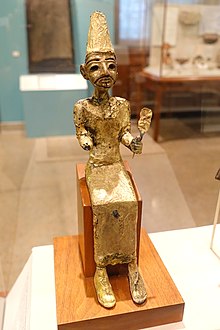 El is often described as the father of the gods and the creator of humanity. El had many epithets, including "Bull El," "El the King," and "Father of Mankind," reflecting his authority, wisdom, and paternal role.